

Is TikTok harmless entertainment, or is it doing more damage to young minds than many people realise?
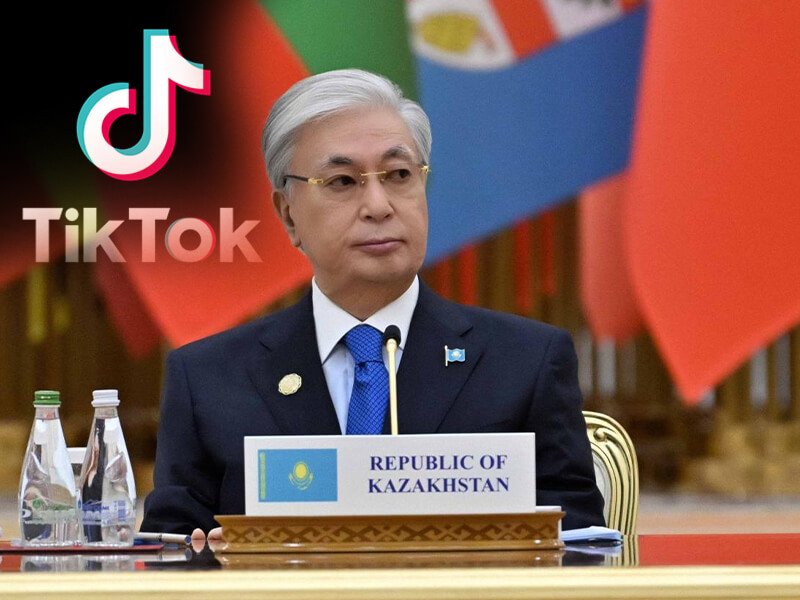
Kazakhstan’s President, Kassym-Jomart Tokayev, has reportedly delivered a blunt assessment of the popular video-sharing platform, describing TikTok as a “terrible thing” that “kills a young person’s brain.”
The striking remark has reignited concerns about the influence of social media on younger generations, particularly its potential effects on attention, learning habits and intellectual development.
TikTok, which has become a major part of everyday digital culture, attracts millions of young users with its endless stream of short-form videos and algorithm-driven recommendations.
However, Tokayev’s statement raises a bigger question: are young people becoming too dependent on digital entertainment at the expense of deeper thinking, reading and meaningful real-world engagement?
While his comments reflect a strong criticism of the platform, the claim that TikTok literally kills brain cells should not be treated as an established scientific conclusion.
As governments, parents and technology companies grapple with the consequences of screen addiction, one question remains: are we controlling social media, or is social media increasingly controlling us?
