




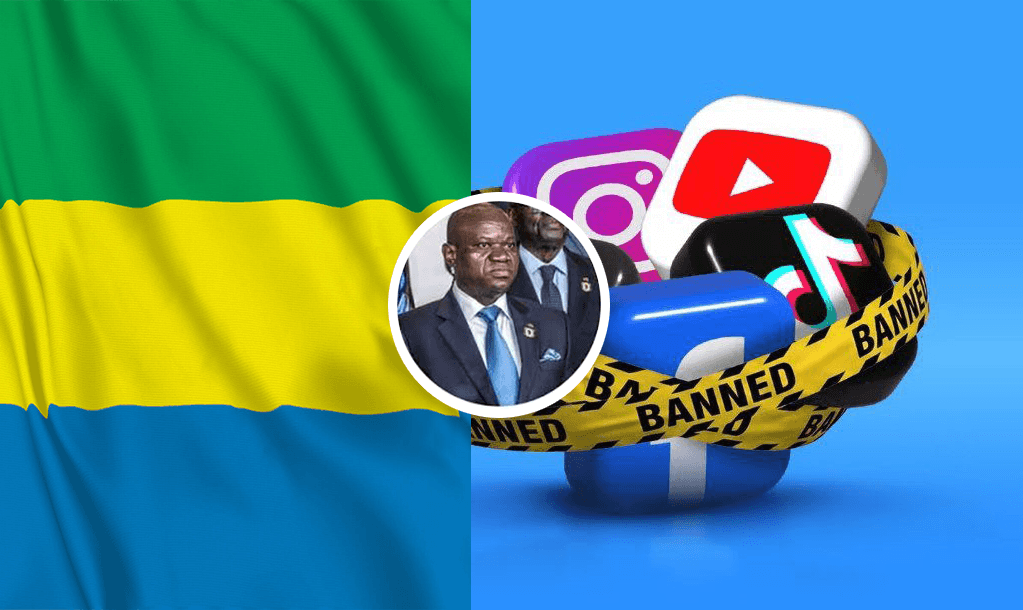
Gabon has announced the restoration of access to social media platforms, ending an eight-month ban that sparked widespread criticism across the country.
The High Communication Authority (HAC) announced the decision on Saturday through a televised statement. The BBC said it had contacted the country’s media regulator for further comments.
The restriction was introduced on 17 February, with the HAC arguing that online content was contributing to conflict and increasing divisions within the country.
The ban came as a major shock in the Central African nation, which has a population of about 2.5 million. Platforms such as Facebook, TikTok, YouTube and Instagram are widely used, particularly by young people who rely on them for entertainment, communication and business activities.
Following the restrictions, many users turned to virtual private networks (VPNs) to continue accessing the blocked platforms.
The suspension was imposed amid growing social unrest under President Brice Oligui Nguema, less than a year after he won the presidential election. Teachers and civil servants had organised strikes over poor working conditions and what they described as inadequate salaries.
Opposition figures condemned the social media shutdown, describing it as an abuse of power.
Nguema won more than 90 per cent of the vote in last year’s election, two years after leading a coup that ended more than five decades of rule by the Bongo family.
He had promised to introduce reforms in Gabon, a small country rich in oil and timber, where previous governments had also used internet restrictions to control the flow of information.


