







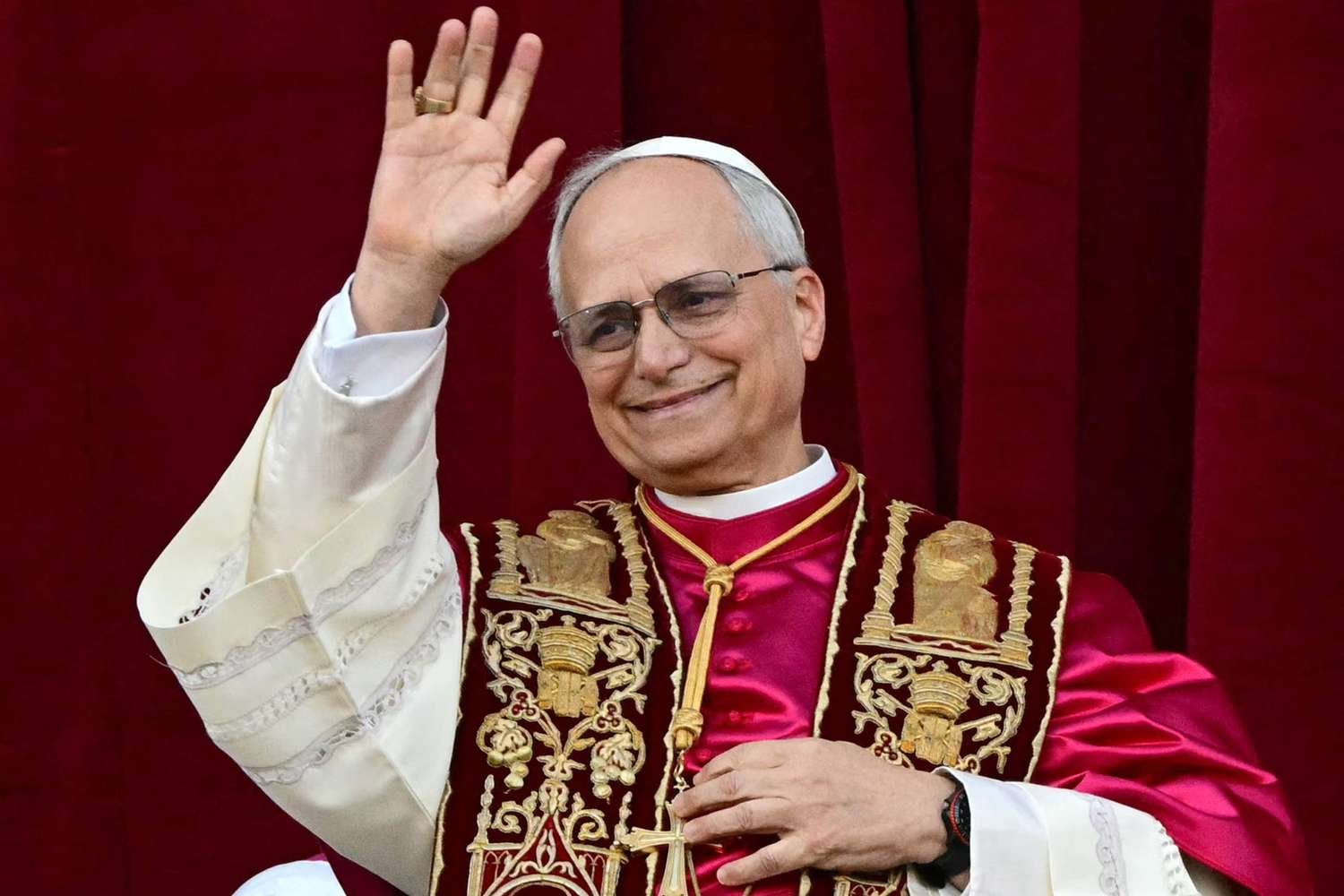
Pope Leo XIV has demonstrated a strong commitment to addressing the ethical and social implications of artificial intelligence (AI). Just 17 days after undergoing surgery for lung cancer, he addressed leading AI experts at the Vatican, highlighting the importance of ensuring that AI serves humanity rather than threatens it.
In his speech, the Pope presented five key principles for responsible AI development and use:
1. AI’s future depends on human choices: The direction of AI is not predetermined. Society must decide what purpose it should serve.
2. AI systems are tools, not human beings: Machines should not be granted the same status as people, as doing so could make it difficult to hold anyone accountable when AI causes harm.
3. Important decisions must remain under human control: Decisions involving human life, freedom and the use of force should never be left entirely to machines. He also called for action to prohibit lethal autonomous weapons.
4. AI should benefit everyone: Technological development should promote the common good rather than serve only wealthy or powerful individuals and organisations.
5. Effective international regulation is necessary: The Pope emphasised the need for strong institutions and international cooperation to ensure that AI is developed and used responsibly.
Concerns About International AI Regulation
Although these principles are widely supported, there are concerns about relying on international institutions to regulate AI. Organisations such as the United Nations have often struggled to achieve meaningful action because of political disagreements among powerful nations.
Furthermore, AI is developing at an extremely rapid pace, making it difficult for international agreements and regulations to keep up. The prolonged discussions surrounding autonomous weapons demonstrate how challenging it can be to achieve global consensus.
The Importance of Human Responsibility
AI experts Max Tegmark, Stuart Russell and Gary Marcus emphasised the need for human control and accountability in AI development. They highlighted bounded autonomy, which involves setting limits on AI capabilities and requiring human approval for critical actions. These safeguards can help prevent misuse and reduce risks without relying solely on international regulations.
Pope Leo XIV’s message reinforces the importance of human responsibility, ethical values and accountability in AI development. Governments, technology companies and individuals must ensure that AI serves humanity, protects human dignity and promotes the common good.


