

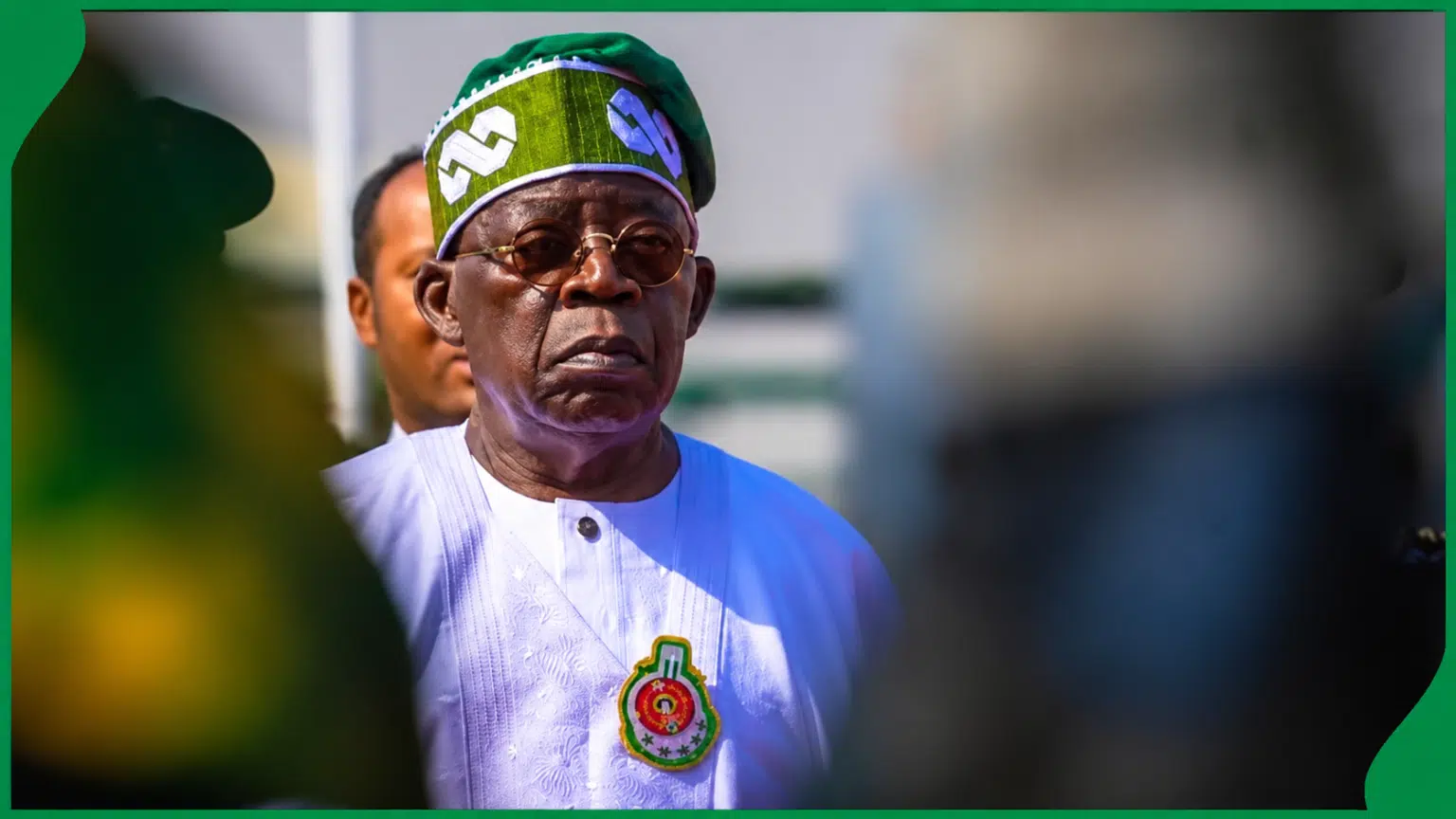
The Ohanaeze Youth Council (OYC) has warned President Bola Tinubu of possible political consequences in the 2027 general election if Indigenous People of Biafra (IPOB) leader Nnamdi Kanu remains in detention. The group is urging the Federal Government to consider a political solution to his continued imprisonment.
Ohanaeze Youths warning was issued by OYC President-General, Comrade Igboayaka O. Igboayaka, in a statement following his reported visit to Kanu at the Sokoto Correctional Centre. He argued that Kanu’s continued detention could affect political support for Tinubu’s second-term ambition in the South-East.
Igboayaka described Kanu as an influential figure among Igbo people, particularly youths, and compared his political significance to that of the late Biafran leader, Chukwuemeka Odumegwu Ojukwu. He maintained that releasing Kanu through dialogue would create opportunities for reconciliation and improve relations between the Federal Government and communities in the region.
The OYC leader also criticised South-East political leaders, including Governors Hope Uzodimma of Imo, Charles Soludo of Anambra, Francis Nwifuru of Ebonyi and Peter Mbah of Enugu, as well as Minister of Works David Umahi. He challenged them and other All Progressives Congress stakeholders to engage Tinubu over Kanu’s detention before the next general election.
Igboayaka argued that the agitation for self-determination could not be resolved through imprisonment and court proceedings alone, calling instead for dialogue and negotiation. He also warned that the council would mobilise political opposition to Tinubu’s re-election bid if Kanu remained incarcerated during the 2027 polls.
The OYC president-general said the group expected Igbo people across Nigeria and abroad to express their position through the ballot. His comments come as preparations continue for the next general election, with the Independent National Electoral Commission’s official 2027 election timetable outlining the electoral activities ahead.
The council’s position reflects its own political stance, while the wider voting intentions of South-East residents remain a separate question.
