







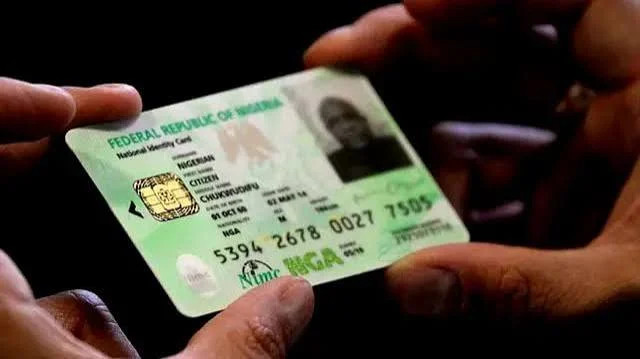
The Federal Government’s plan to make National Identification Number (NIN) verification compulsory for domestic air travellers from January 1, 2027, has raised concerns over passenger privacy, access to flights and the rights of travellers without NIN.
The policy will be implemented through the Verified Passenger Access System (VPASS), a biometric facial recognition platform designed to verify passengers and strengthen airport security. Aviation Minister Festus Keyamo has directed airlines to integrate the system before the deadline.
However, some travellers have questioned why NIN should be required for domestic flights when other recognised identification documents could be used. They have also raised concerns about how foreign nationals, dual citizens and children without NIN will access local flights.
Passengers have warned that making NIN the sole means of verification could create unnecessary barriers to domestic travel. Others are concerned about how their personal information will be protected against possible data breaches.
Keyamo said VPASS was introduced to tackle identity fraud, unauthorised access to departure lounges and ticketing irregularities. He cited cases where bulk flight tickets were purchased and resold to other passengers using different identities as one of the practices the system is intended to prevent.
Under the arrangement, passengers’ personal details will be linked to their NINs to help aviation authorities verify identities and improve passenger records. The minister said the platform would initially be introduced at Lagos airport before being extended to other domestic airports.
The Federal Airports Authority of Nigeria (FAAN), however, has clarified in its official vPASS Frequently Asked Questions that foreign nationals can use their international passports, nationality details and facial biometric information for verification.
Keyamo added that the Federal Executive Council had approved the project, which is being implemented through a public-private partnership. FAAN will oversee the equipment and its operations, while the Nigerian Civil Aviation Authority is expected to ensure airlines complete system integration by December 31, 2026.
The minister clarified that the platform would apply only to domestic flights, as international passenger verification operates under a separate framework involving the Ministry of Interior and other agencies.
As the January 2027 deadline approaches, the government faces pressure to reassure travellers about data protection, accessibility and the treatment of passengers with other valid identification documents.
While stronger airport security is widely recognised as important, passengers want assurances that the new system will not make domestic air travel more restrictive or exclude people who need to fly within the country.




1 Comment
As a citizen your NIN at least is an important credential to have