

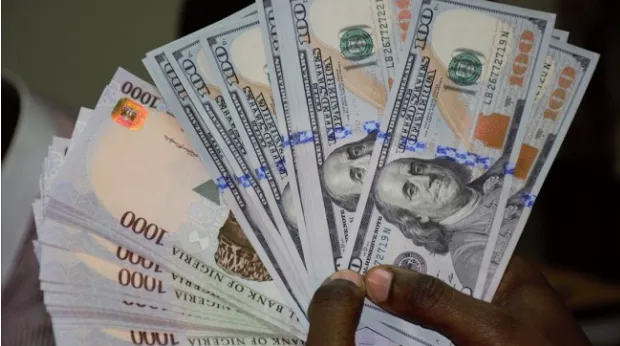
Nigeria’s external reserves fell by $369m in four days to $53.989bn, despite the naira appreciating by N19 against the dollar at the official foreign exchange market, reflecting continued pressure on the country’s foreign currency buffers.
Data from the Central Bank of Nigeria showed that reserves declined from $54.358bn on Monday to $53.989bn on Thursday. The naira, meanwhile, strengthened to N1,378/$ from N1,397/$ recorded on Wednesday following increased dollar cash sales to Bureau De Change operators.
The appreciation came after the naira lost N43.5 against the dollar between November 13 and November 25. At the parallel market, the dollar remained volatile, with dealers quoting rates of N1,455/$ and N1,440/$. Nigeria’s reserves also fell by $1.071bn between November 6, when they stood at $55.060bn, and November 27.
The reserve decline has been linked to rising foreign exchange demand ahead of the festive season, election-related spending and foreign portfolio investors repositioning their investments towards year-end. CBN Governor Olayemi Cardoso also cited seasonal demand from businesses hedging against exchange rate movements and spending associated with the 2027 general elections as factors contributing to market pressure. He described the recent volatility as temporary, pointing to diaspora remittances and a favourable current account position as supporting factors.
The CBN has increased dollar supply to the market to moderate volatility, with banks now permitted to sell up to $1m in physical cash to eligible BDC operators, compared with the previous weekly limit of $150,000, of which only 25 per cent could be accessed in cash. The policy is expected to improve retail dollar availability and ease pressure on the parallel market, although its broader impact on foreign exchange liquidity remains uncertain. Updates on the country’s monetary and foreign exchange policies are available through the Central Bank of Nigeria.
