

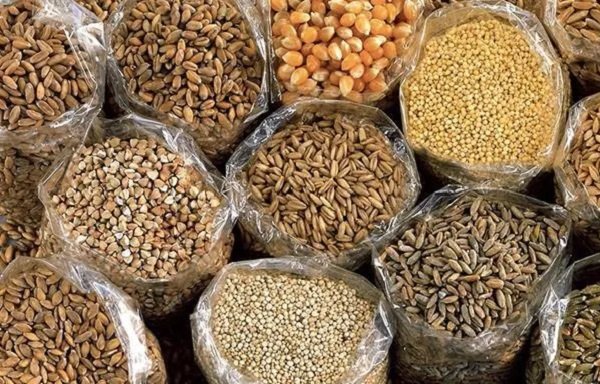
Nigeria’s cereal production is projected to rise by 1.84 per cent to 29.39 million tonnes in 2026, driven mainly by expected increases in maize and rice output, according to the 2026 Wet Season Agricultural Performance Survey.
The cereal survey, presented by the National Agricultural Extension and Research Liaison Services (NAERLS) to the Minister of Agriculture and Food Security, Abubakar Kyari, showed an additional 530,000 tonnes compared with 2025.
Cereal production is expected to increase for 13 of the 17 major crops assessed. Niger State is projected to lead rice production, Kano sorghum and Yobe millet. Cowpea output is estimated at 4.46 million tonnes, while groundnut is projected at 5.41 million tonnes.
However, soybean production is expected to decline by 2.65 per cent to 956,745 tonnes, despite the broader positive outlook.
The survey identified flooding, irregular rainfall and pest outbreaks as major threats to agricultural productivity. Severe flooding affected Niger, Jigawa, Yobe, Ogun, Osun, Enugu and Ebonyi states, while fall armyworm infestations were reported in Kano and Taraba.
A shortage of agricultural extension workers is another concern. Nigeria had 2,064 active extension agents, with each responsible for an average of 4,982 farm families, limiting farmers’ access to professional advice and improved farming practices.
The report also put the average price of a 50kg bag of NPK fertiliser at N38,000 and urea at N43,000 nationwide. Meanwhile, garri prices fell by 21 per cent and white maize by 13 per cent, while onion prices increased by 18.8 per cent.
NAERLS recommended improved extension services, affordable farm inputs, mechanisation, flood early-warning systems, better pest monitoring and stronger storage facilities to reduce post-harvest losses.
Agriculture Minister Abubakar Kyari called for more detailed state-level production data, including cultivated land areas, crop yields and government interventions, to guide agricultural planning and address the country’s growing food demand.
The Federal Ministry of Agriculture and Food Security has published details of cereal survey presentation and related government interventions on its official website.
