







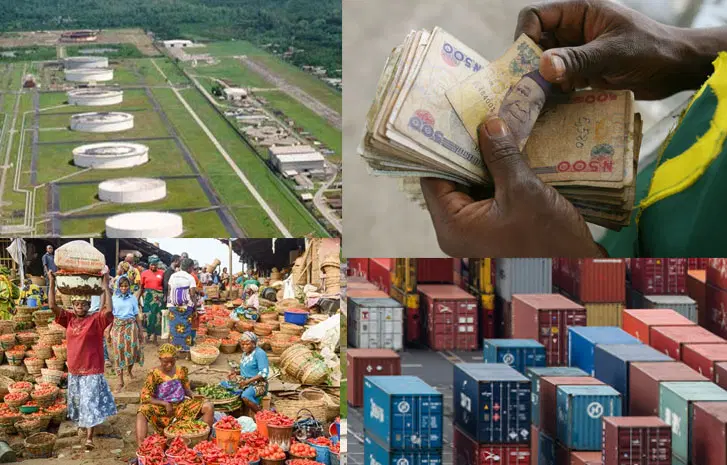
Nigeria’s ambition to build a $1 trillion economy by 2030 could remain out of reach without a strong manufacturing sector, as poor electricity supply, expensive loans and rising production costs continue to weaken local industries.
Nigeria once had thriving manufacturing centres across Lagos, Ibadan, Kaduna, Kano, Port Harcourt and other cities. However, years of industrial decline have left many factories struggling or shut down, increasing the country’s dependence on imported products.
Unreliable electricity remains a major obstacle. On November 5, 2026, Nigeria reportedly supplied just 2,926 megawatts to the entire country, forcing many manufacturers to depend on generators and spend more on production.
The United Nations Conference on Trade and Development (UNCTAD) has also identified unreliable and expensive electricity as a major barrier to Nigeria’s industrial development and manufacturing competitiveness.
Access to affordable credit is another challenge. The country’s manufacturers reportedly face borrowing costs of up to 30 per cent, making it difficult to expand factories, purchase equipment and compete with foreign businesses that enjoy cheaper financing.
The experience of countries such as Japan, China and India highlights the importance of manufacturing in building strong economies. While these countries have developed significant industrial capacity, Nigeria continues to struggle with infrastructure gaps and high business costs.
To achieve its $1 trillion target, Nigeria must prioritise reliable electricity, affordable long-term financing, modern industrial infrastructure and policies that encourage local production.
Without urgent improvements to manufacturing, the country’s trillion-dollar economic ambition could remain an illusion.


1 Comment
You see that poor electricity is the main problem in every sector of this country 😔 is there no solution whatsoever??