

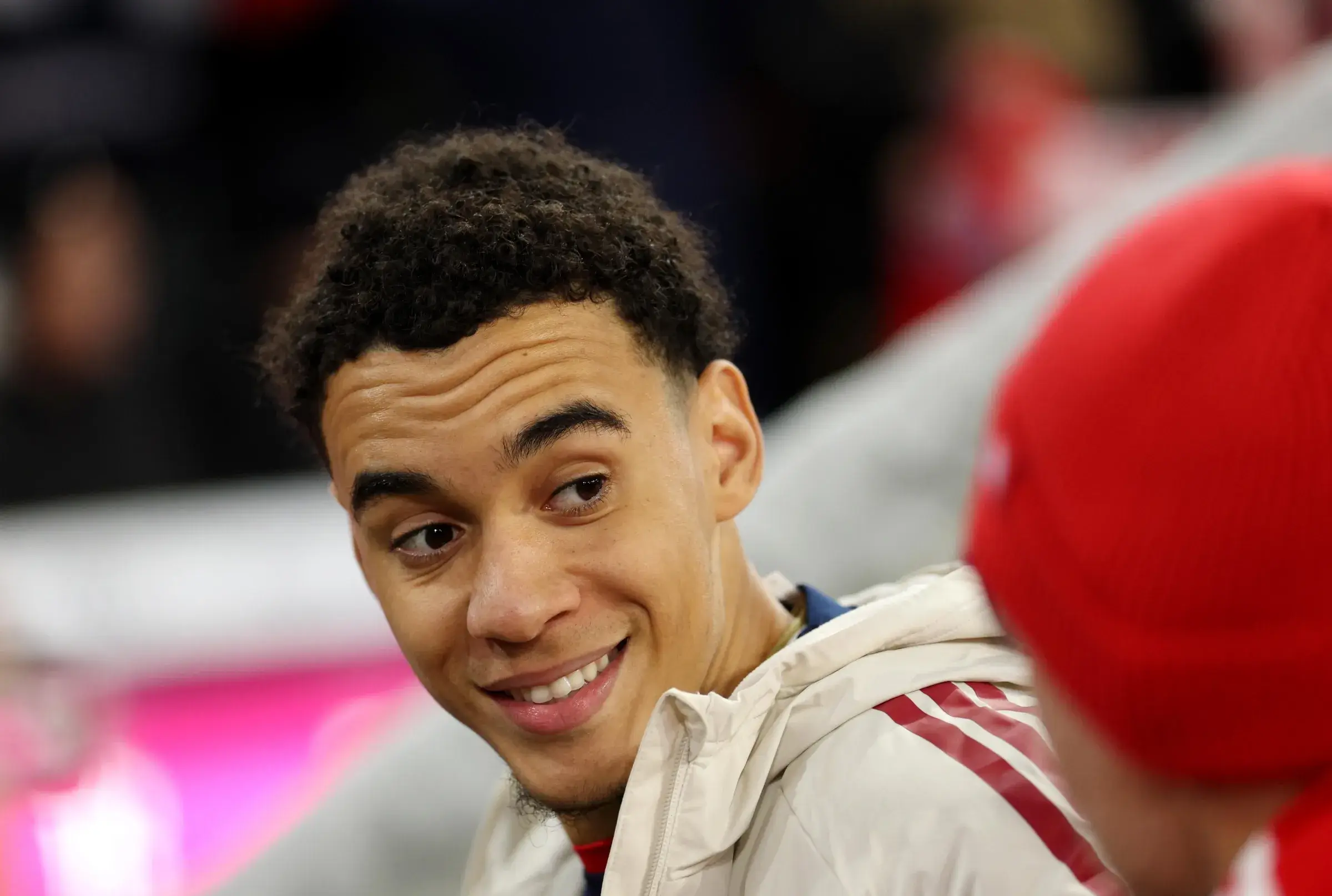
Bayern Munich have faced criticism over their public comments concerning Jamal Musiala’s injury, contract and financial value, with global players’ union FIFPRO accusing the club of putting unnecessary pressure on the midfielder and his representatives.
The remarks made by Bayern figures Uli Hoeness, Jan-Christian Dreesen and Karl-Heinz Rummenigge attracted significant attention in Germany and beyond, prompting questions about how the club is handling Musiala’s situation.
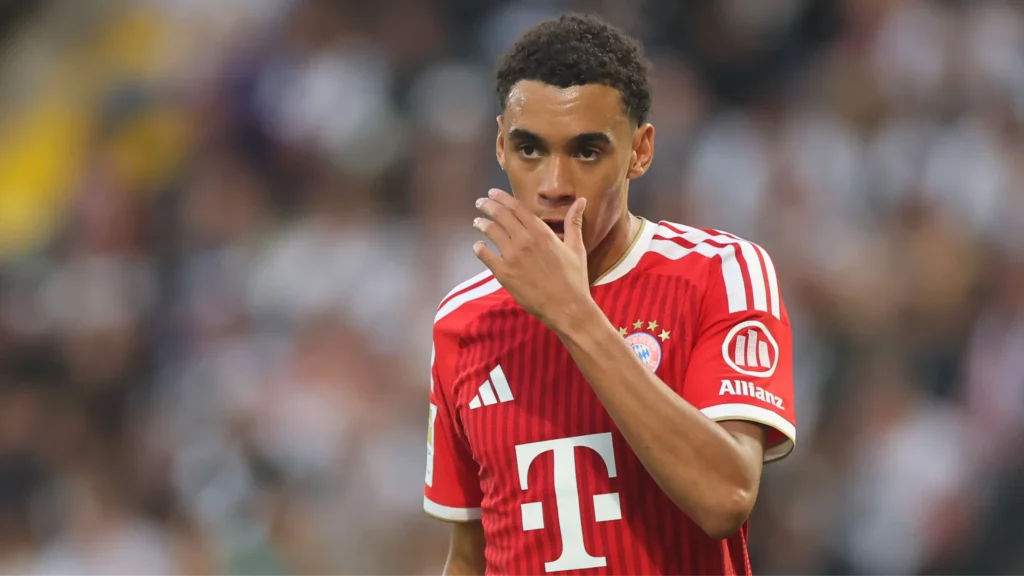
Although Bayern have legitimate reasons to assess their financial commitments and consider their long-term plans, publicly discussing the contract situation of one of their most important players has been viewed as a questionable approach. Rather than keeping the focus on supporting Musiala through a challenging period in his career, the conversation has increasingly centred on his wages, market value and whether his contract remains financially justifiable.
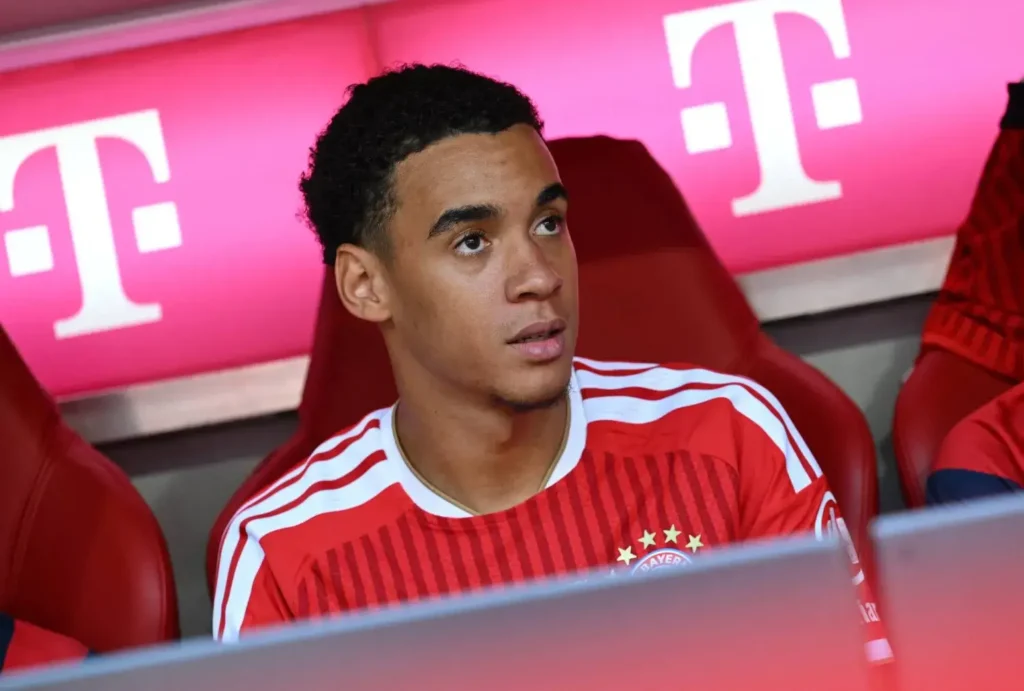
FIFPRO responded strongly to the comments, describing them as “a coordinated strategy to put pressure on Musiala and his representatives ahead of any negotiations.” The union also reminded Bayern of their “duty of care” towards the player, adding: “A club of Bayern’s standing should know better.”
In its statement, FIFPRO further highlighted the potential impact of public discussions about a player’s future, particularly during injury recovery.
“Across professional football, uncertainty about a player’s future can take a toll on their mental health, particularly when they are recovering from injury,” the statement continued.
“Making Musiala’s health and future a matter of public debate adds to that pressure. Contracts are there to be respected. An injury or a dip in form gives a club no grounds to reopen terms it agreed to, just as a run of outstanding performances gives a player no automatic right to a pay rise.”
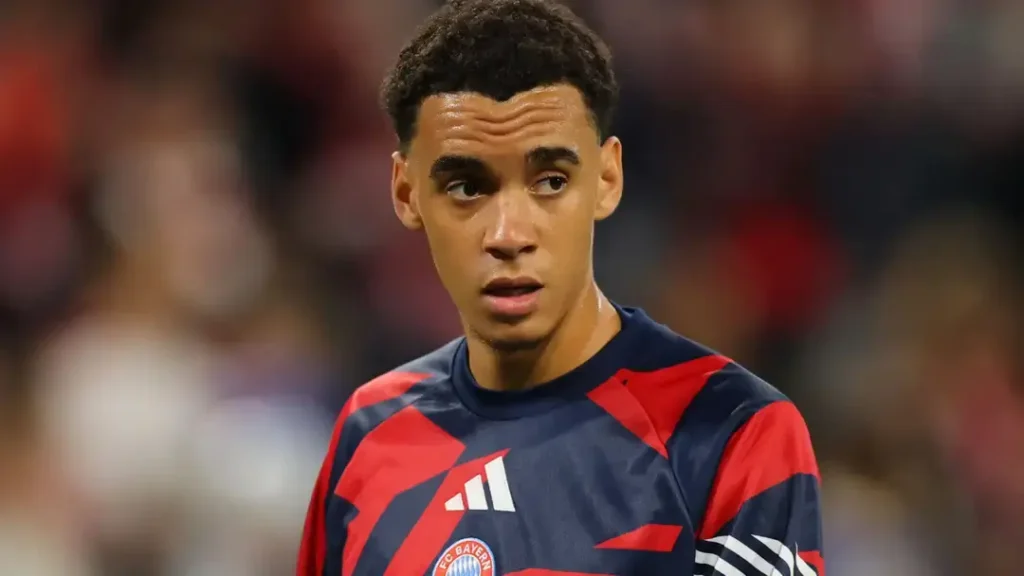
Former Bayern Munich and Germany defender Lothar Matthäus also expressed his disappointment with the club’s leadership. Speaking as a pundit for Sky, he criticised the sequence of public remarks made by the three Bayern figures.
“I’ve been a bit shocked throughout the entire week. It started with Uli Hoeness, continued with Jan-Christian Dreesen, and yesterday Karl-Heinz Rummenigge chose the strongest words of all. I have enormous respect for Karl-Heinz. I’ve known him for over 30 years. But he chose those statements very deliberately. The person who suffers most from all this is Jamal Musiala.”
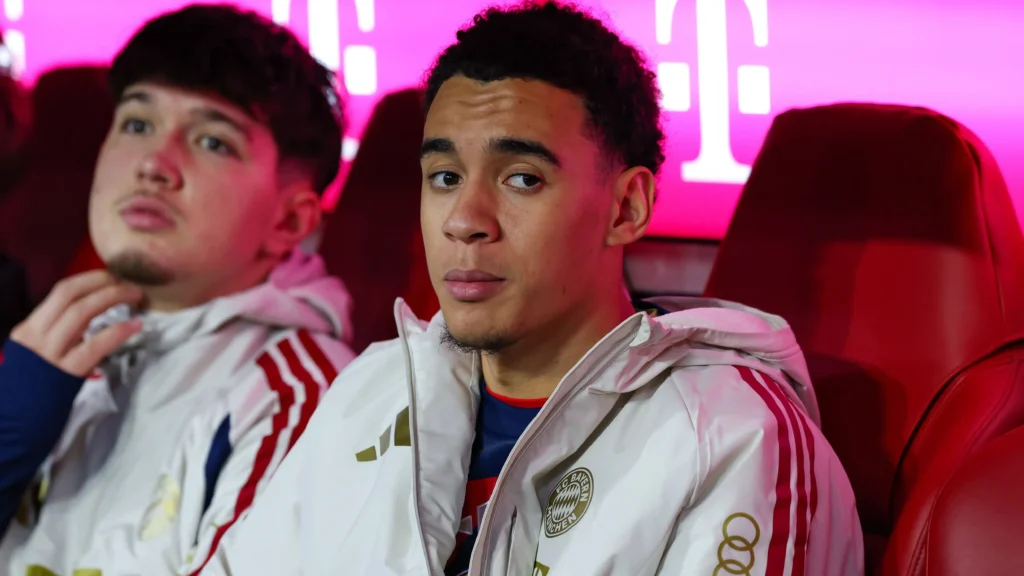
The controversy also became a talking point at Bayern’s annual general meeting, which took place just hours after the latest comments. Club members, who collectively hold a majority 70% stake under German football’s 50+1 ownership rule, used the meeting to question the club’s hierarchy over its handling of the situation.
Among those who spoke was professional neurologist and club member Jonatan Hoffmann, who expressed his “absolute respect” for Musiala and stressed that patients dealing with similar conditions require “support.”
While acknowledging the backing Musiala had received from head coach Vincent Kompany and sporting director Max Eberl, Hoffmann described the comments from Hoeness, Dreesen and Rummenigge as “not helpful.”
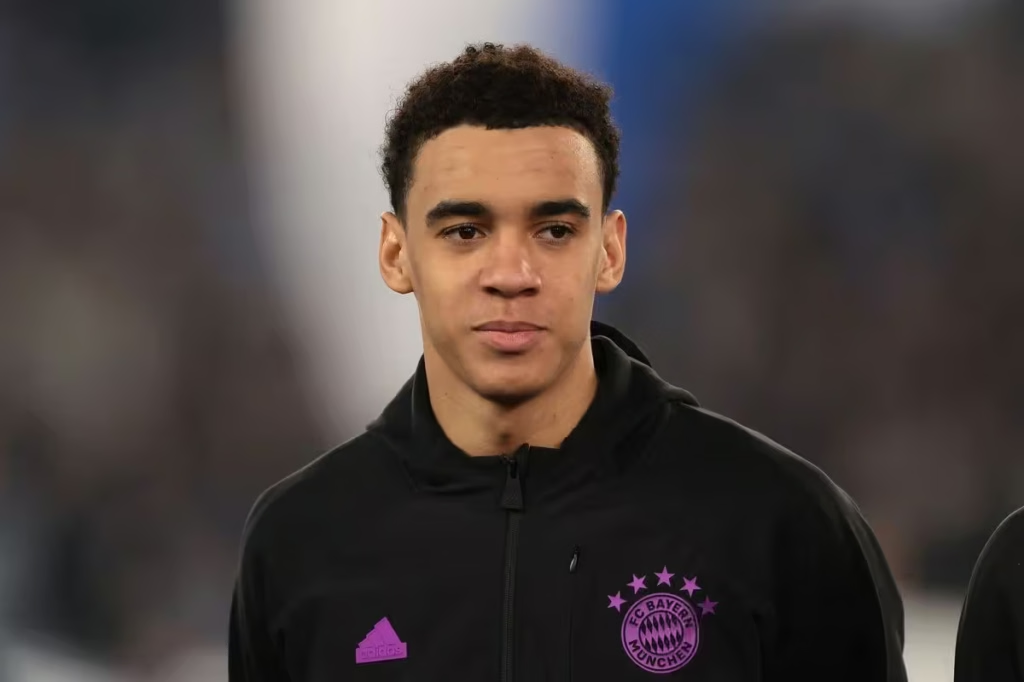
He also argued that their remarks had “little to do with the much talked about Bayern Munich family,” a statement that received considerable applause from other members.
Ultimately, the criticism has placed Bayern’s approach to Musiala under greater scrutiny. While the club has financial considerations and long-term planning to address, the public discussion surrounding the midfielder’s wages and future has raised questions about the balance between its business interests and responsibilities towards its players.
For now, the focus should remain on Musiala’s recovery, with any necessary discussions about his contractual future arguably better handled privately.
For more sports news and updates, click Sports.
