







The Benin Kingdom, located in present-day Edo State, Nigeria, was one of West Africa’s most organised and influential kingdoms. Its history stretches back centuries, with Edo traditions tracing its origins to around the 10th century. One of the lesser-known foundations of its strength was its network of specialised palace guilds, where generations of artisans mastered bronze casting, ivory carving, woodwork, weaving, medicine and other crafts under the authority of the royal court.
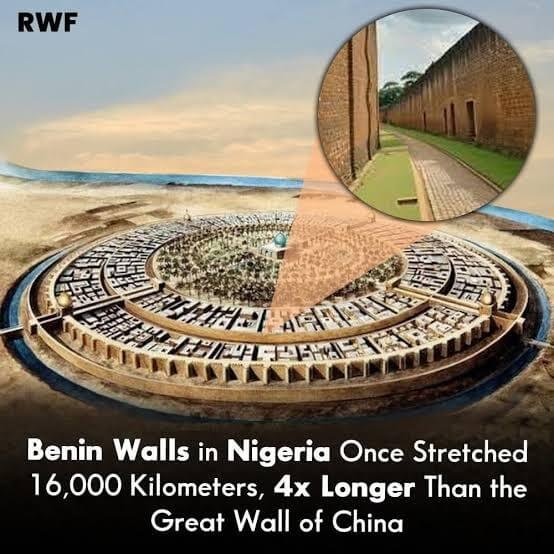
Another remarkable feature was the organisation of Benin City itself. Historical accounts describe an urban centre with roads, drainage systems and extensive defensive earthworks and moats, while the kingdom maintained trade networks involving commodities such as cloth, pepper, ivory and salt. Contact with Portuguese traders also brought new materials and goods, some of which influenced royal art and regalia. The famous Benin Bronzes served more than a decorative purpose, with many works recording rulers, important events and royal ancestors, creating a visual history of the kingdom.
The most devastating chapter came in 1897, when British forces attacked Benin City, burned the royal palace and removed thousands of artworks and other cultural objects. Many were later dispersed among museums and private collections in Europe and North America, but the kingdom’s cultural knowledge survived. The traditions of bronze casting and other crafts continued through descendants of historic guilds, showing that the enduring strength of Benin was not only its political organisation, but also its craftsmanship, historical memory, trade and ability to preserve its cultural identity.


