







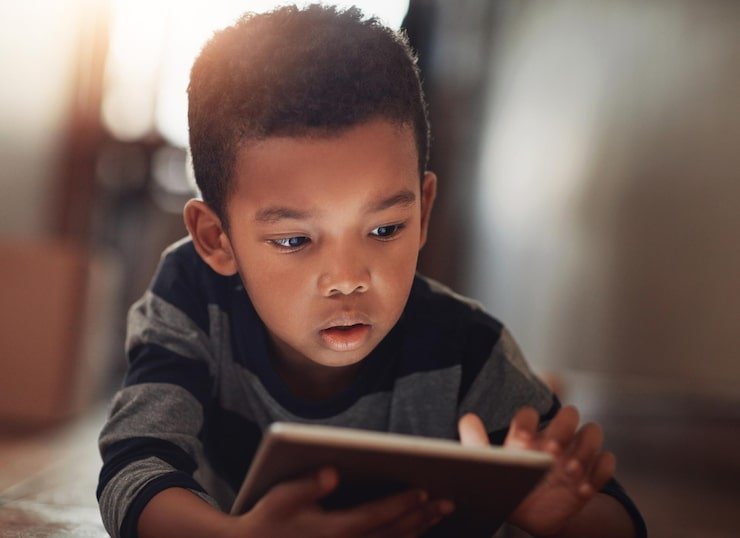
Handing a crying toddler a smartphone may seem like an easy way to restore peace at home, but experts warn that this growing parenting habit could come with hidden consequences for children’s development.
Paediatricians are increasingly concerned about smartphones being used as digital pacifiers to keep children quiet during meals, stop tantrums or occupy them while parents handle household responsibilities.
The concern goes beyond screen time. Routinely using phones to calm upset children may prevent them from learning how to manage frustration, boredom and other emotions independently.
Instead of helping children understand and process their feelings, screens can become an instant distraction whenever they experience discomfort.
The problem is already attracting attention in India. An AIIMS Delhi study published in the Indian Journal of Medical Research in April 2026 surveyed 282 children aged two to four in rural Haryana. It found that half exceeded the World Health Organization’s recommended daily screen-time limit of one hour for this age group.
Researchers and child-development experts are particularly concerned about the potential effects of excessive screen exposure on emotional regulation, physical activity, sleep and opportunities for real-world interaction.
The message for parents is clear: smartphones can be useful tools, but they should not become substitutes for attention, comfort and meaningful interaction.
Sometimes, the most effective way to calm a child isn’t handing over a phone but offering a hug, listening and helping them understand their emotions.


