







Nigeria’s merchandise trade rose to N41.4tn in the second quarter of 2026, highlighting the growing importance of the maritime sector to economic activity, as cargo throughput across the country’s ports continued to expand.
The Nigerian Ports Authority said cargo throughput increased by 24.8 per cent from 103.6 million metric tonnes in 2024 to 129.3 million metric tonnes in 2025. In the first half of 2026, throughput rose by 12.2 per cent to 68.2 million metric tonnes, compared with 60.8 million metric tonnes recorded in the corresponding period of 2025.
NPA General Manager of Corporate Affairs, Ikechukwu Onyemekara, disclosed the trade figures at a maritime reporting training in Lagos. He said Nigeria’s merchandise trade value increased by 5.6 per cent year-on-year to N41.4tn in the second quarter of 2026, while the country’s ports received 2,300 ships in the first half of the year, up from 2,152 vessels in the same period of 2025. Outward cargo accounted for 41.9 per cent of total throughput in the second quarter.
Onyemekara said Lekki Deep Sea Port handled nearly 40 per cent of cargo throughput across Nigerian ports in the first half of 2026, with more than three-quarters of its cargo traffic linked to refinery operations. He stressed the importance of examining underlying figures to understand how industrial investments are influencing trade flows and port activities.
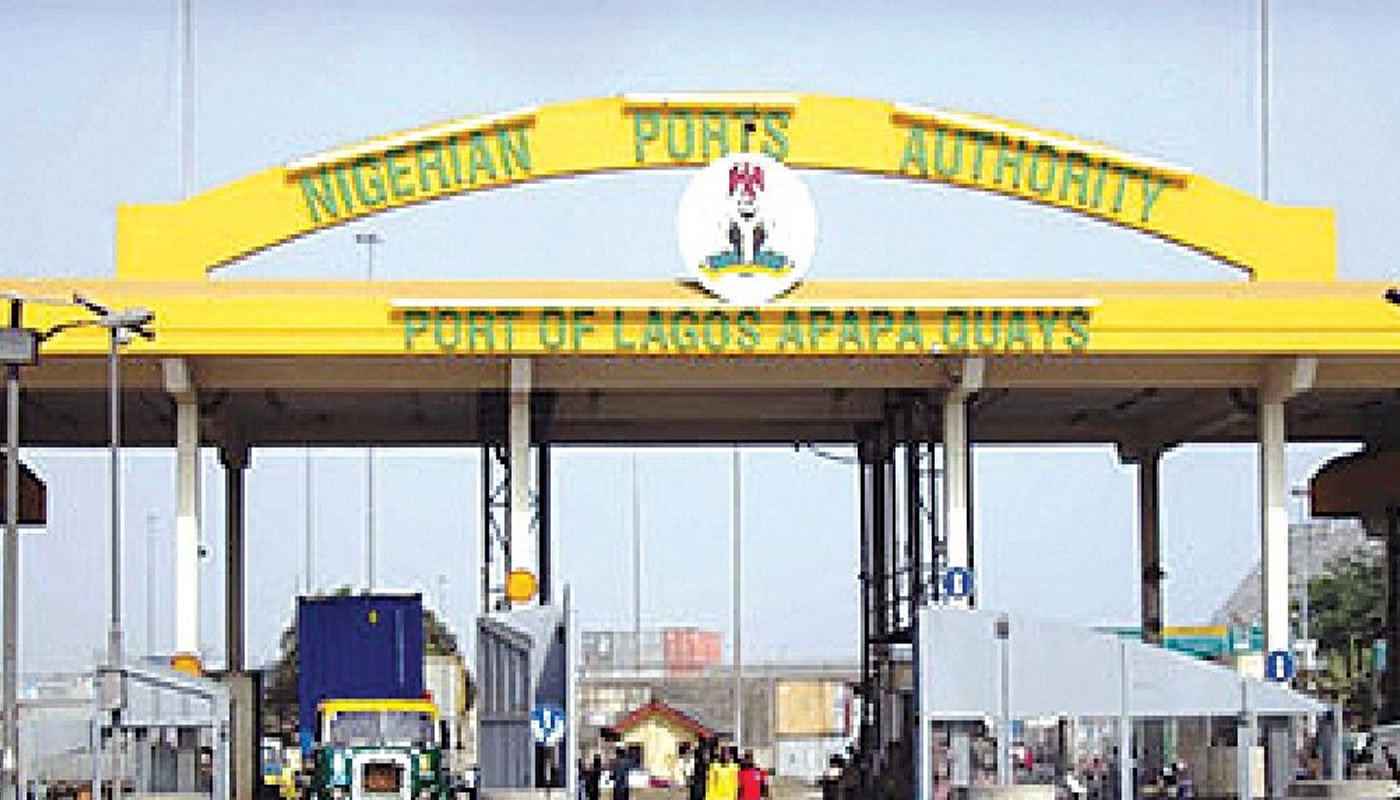
The NPA is pursuing modernisation, digitalisation and export facilitation initiatives to improve port efficiency. Onyemekara disclosed that the Federal Government secured £746m in UK-backed financing for the modernisation of Apapa and Tin Can Island ports, while rehabilitation works continued at Onne, Warri and Calabar ports. He also highlighted the National Single Window, Port Community System and Eto electronic truck call-up platform as key reforms to improve cargo movement and reduce delays. More information on port operations and reforms is available through the Nigerian Ports Authority.


