







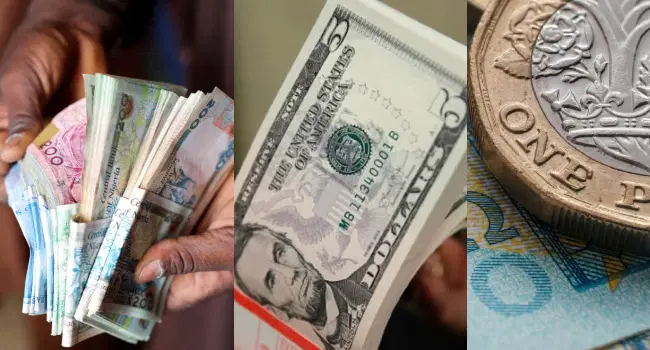
The naira remained under pressure on Thursday, November 12, 2026, as the dollar traded between ₦1,350.36 and ₦1,353.50 at the official foreign exchange window, while parallel-market selling rates reached ₦1,430. The latest figures indicate a substantial gap between the official and informal markets.
At the Nigerian Foreign Exchange Market (NFEM), early international currency feeds placed the dollar around ₦1,345.72, while official benchmarks reflected the previous trading session pending the day’s fixing. Earlier trading this week recorded fluctuations between ₦1,349.25 and ₦1,354 per dollar, with interbank turnover reaching $248.07 million across 144 deals.
In the parallel market, dollar to naira dealers in Lagos and Abuja quoted buying rates between ₦1,411 and ₦1,420 per dollar, while selling prices ranged from ₦1,419 to ₦1,430. Rates varied according to location and transaction volume, leaving a difference of approximately ₦68 to ₦80 between the official benchmark and parallel-market selling prices.
Seasonal demand from importers and travellers preparing for the end-of-year period, foreign portfolio investment outflows and a stronger US dollar globally have been identified as factors contributing to the naira’s recent weakness. The parallel-market rate reportedly touched ₦1,430 this week, its lowest level in 10 months.
Despite the pressure, Nigeria’s gross external reserves stood at approximately $54.9 billion, above the Central Bank of Nigeria’s full-year target of $51.04 billion. Market participants are continuing to monitor foreign exchange liquidity and CBN updates as trading progresses.
For official market information, the Central Bank of Nigeria’s exchange rate data provides NFEM rates and related trading figures.


