
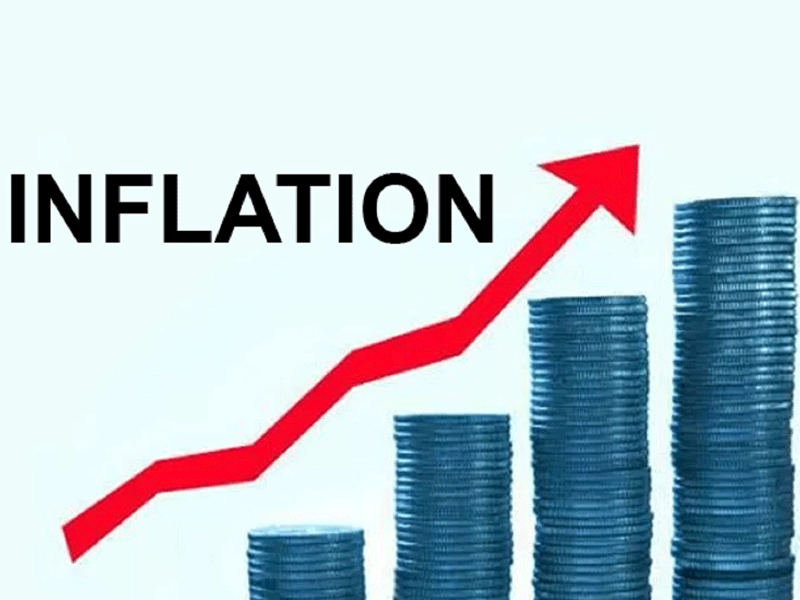
Nigeria’s headline inflation rate fell to 14.06 per cent in October 2026 from 14.63 per cent in September, marking the fifth consecutive month of moderation, although food inflation remained high at 19.13 per cent.
The latest figure represents a 0.57 percentage-point decline from September and a 4.91 percentage-point drop from the 18.97 per cent recorded in October 2025. The figures were contained in the October 2026 Consumer Price Index report released by the National Bureau of Statistics.
Despite the annual decline, monthly headline inflation increased to 0.43 per cent in October from 0.06 per cent in September, showing that price pressures remained. The Consumer Price Index also rose to 147.0 points from 146.4 points.
Food and non-alcoholic beverages remained the largest contributors to annual headline inflation, accounting for 5.63 percentage points, while restaurants and accommodation services contributed 1.82 points and transportation 1.50 points.
It’s effect on food stood at 19.13 per cent year-on-year, compared with 16.30 per cent a year earlier. However, food prices declined by 0.75 per cent month-on-month, marking a second consecutive monthly decline, although at a slower pace than the 1.55 per cent recorded in September.
Core inflation also declined to 10.78 per cent from 21.25 per cent in October 2025. Meanwhile, Imo recorded the highest annual headline at 28.66 per cent, while Taraba recorded the lowest at 6.12 per cent.
